


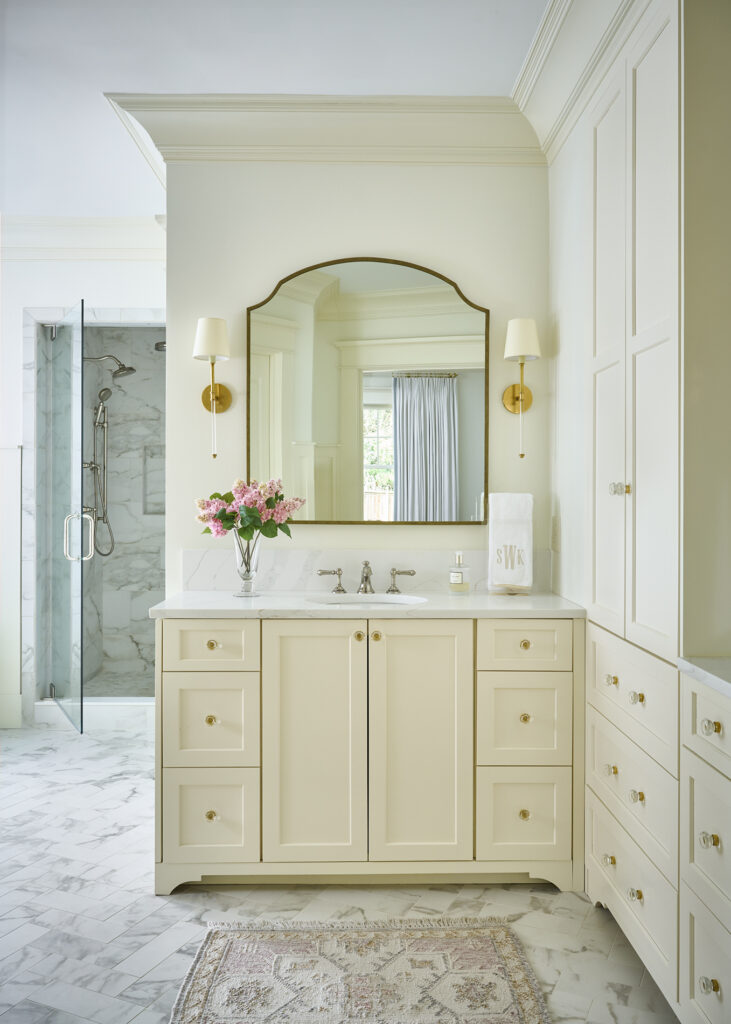
What Your Home is Telling You — and How to Listen
As the year comes to a close many families desire to make meaningful life improvements in January. Things have shifted throughout the year. Routines have changed, children have grown, priorities feel different, but the home hasn’t caught up (or maybe never was on the same page).
The instinct: Do more in January — make purchases, start projects, fix problems.
But the most impactful design (and life) decisions don’t begin with shopping. They begin with clarity. All it takes is to listen to what your home is already telling you so that you can improve it with intention and confidence.
When you pause to notice what your home is communicating (e.g., what supports you, what drains you, what no longer serves you in this season of life), you gain clarity. This reflection ultimately saves you time, gives you certainty, and helps you invest wisely rather than reactively.
Below are the most important areas to reflect on as you establish the design direction for your home in the year ahead. These are simple, meaningful considerations that create momentum and reduce overwhelm.
How Does Your Home Feel in the Real Moments?
This is one of the simplest questions you can ask and also one of the most revealing. How does your home feel in the real moments, such as:
- during the bedtime routine;
- getting out the door in the morning;
- when the family is coming home at the end of the day;
- in the quiet after the house settles; and
- in the early morning before the day begins.
Overall, does your home feel:
- calming or overstimulating?
- supportive or frustrating?
- like a place to exhale or another source of stress?
These emotional cues are telling. A home that feels chaotic often needs clearer zones, better flow, improved storage solutions, or fewer visual distractions. A home that feels unfinished or sterile may be missing texture, textiles, layering, or art.
Design direction starts by understanding how your home makes you feel because those feelings directly impact your quality of life.
How Do You Want Your Home to Support Your Life This Year?
Rather than focus on trends or aesthetics, focus on your lifestyle. What is the life you want to live in your home? For example do you desire:
- to host more?
- to simplify?
- more calm?
- more connection?
- slower mornings?
- manageable morning or after school routines?
- restorative evenings?
If you desire calmer evenings you may need improved storage and layered lighting to create a calm environment. Or if you want to host more you may need to improve the flow within and between your spaces or how your entryway functions. By focusing on your lifestyle goals you can identify with broad stroke the areas in your home that need attention.
What Spaces Quietly Drain Your Energy and Why?
Every home has at least one space that feel less comfortable, less “right,” than the others. These are typically:
- rooms you avoid or rush though;
- areas where clutter consistently collects;
- spaces where daily routines break down; or
- rooms that feel forgotten or unresolved.
Once you’ve identified these spaces. Ask yourself the following questions.
- Why does this space feel stressful?
- Is there a layout issue?
- Is there a storage issue?
- Does it not reflect your style or needs?
Naming the challenges will point you directly to what needs attention, what will meaningfully improve the space, without guessing or making changes that don’t solve the problem.
How Has Your Family’s Life Changed This Year?
Your home should evolve alongside your family. But often spaces are designed for past seasons of life. To determine if this is a problem you’re facing, ask yourself:
- how your or your children’s needs have changed;
- how your children’s abilities or interests have changed;
- what routines, schedules, or activities have changed;
- whether rooms are being used differently than you originally intended; and
- do your spaces support those new needs, abilities, routines, etc.
Your playroom may now need a place for kids to do homework, a formal room may need to work harder for everyday living. Design becomes more effective when it reflects who your family is now or is becoming, not who you were when you moved in.
What is Already Working Well in Your Home?
Reflection is not only about identifying pain points. Some of the most helpful information you can gather comes from noticing what works.
Start with identifying:
- rooms that are easy to maintain;
- spaces your family naturally gravitates toward;
- rooms that bring you joy or in which you feel relaxed; and
- areas where routines flow without effort.
Then determine what those spaces have in common. For example, is it the:
- layout;
- storage;
- lighting;
- furniture;
- color palette; or
- purpose?
When you understand what’s working you can replicate those successes throughout your home. You don’t have to start from scratch in every room.
What “Temporary” Decisions Have Become Permanent?
In busy family homes, temporary solutions often linger longer than intended.
Here, reflect on where you’ve:
- lived with placeholder furniture;
- avoided committing to lighting, rugs, bedding, decor, or window treatments; or
- reorganized repeatedly without improving the function of the space.
Unresolved problems create mental clutter. Clarifying which problems are ready to be addressed can bring immediate relief, even if you execute the plan later.
Addressing smaller issues can build momentum, while addressing larger issues can have a significant positive impact on the quality of life in your home.
Keep in mind, establishing the design direction for your home is not about doing everything at once. It’s about knowing what deserves thoughtful attention next — prioritizing action.
What Have Your Past Purchases Taught You?
As I stated earlier, your home and decisions you’ve already made hold valuable lessons. Here, consider:
- What purchases you made have truly held up to family life?
- Which purchases felt intentional?
- Which purchases felt impulsive?
- Where do you wish you had invested differently?
These reflections will help you avoid making past mistakes again or know when to asks questions so that purchases will serve you better.
Turning Your Desires Into Design Direction
Now that you’ve identified what’s working in your home and what’s not, what you want more of, some of and none of, it can still be difficult to know where to start, what to prioritize, what’s worth the investment, and how to execute your vision for your home without spending hours researching, planning, and second guessing. This is where design support can make a meaningful difference. Our design consulting services are designed for families who want confidence and clarity without adding more to their plate. Consulting allows you to work alongside an expert who can help you, among other things:
- define a cohesive design direction;
- prioritize projects thoughtfully;
- make sound, efficient decisions with your investment in your home;
- reduce decision fatigue; and
- avoid costly mistakes.
And if you want to fully step away from the details, our full-service interior design offering takes the entire process off your shoulders. From designing and sourcing to coordination and installation, we manage the details so you don’t have to. You bring your reflections to us and we do the rest to create for you a home that supports the life you want to live in it.
The result is not just a beautiful home but also your time, energy, and mental space returned to you so that you can focus on the other important things in your life.


